Fishing the Storm Cycle
Strategic Timing for Trophy Trout
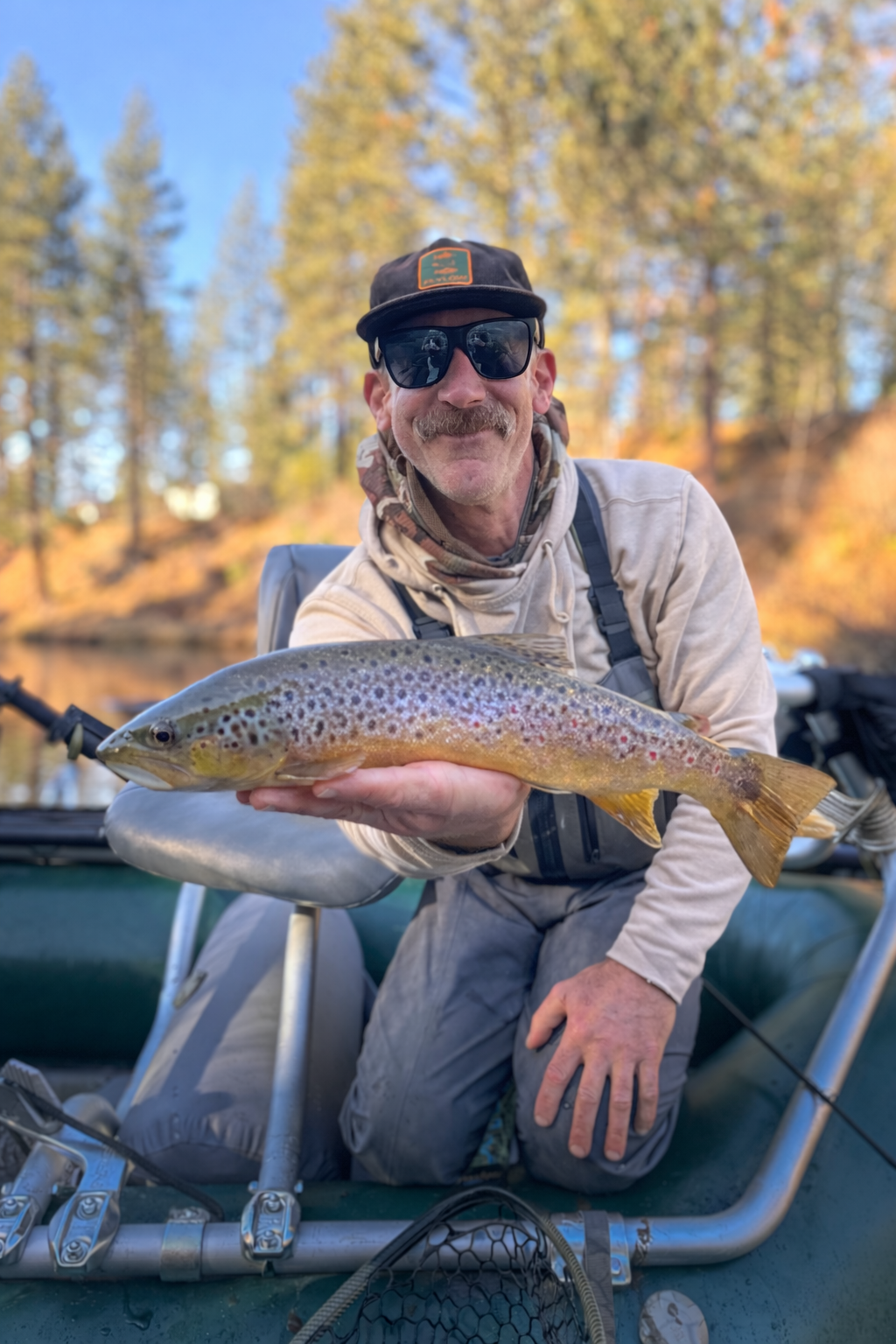
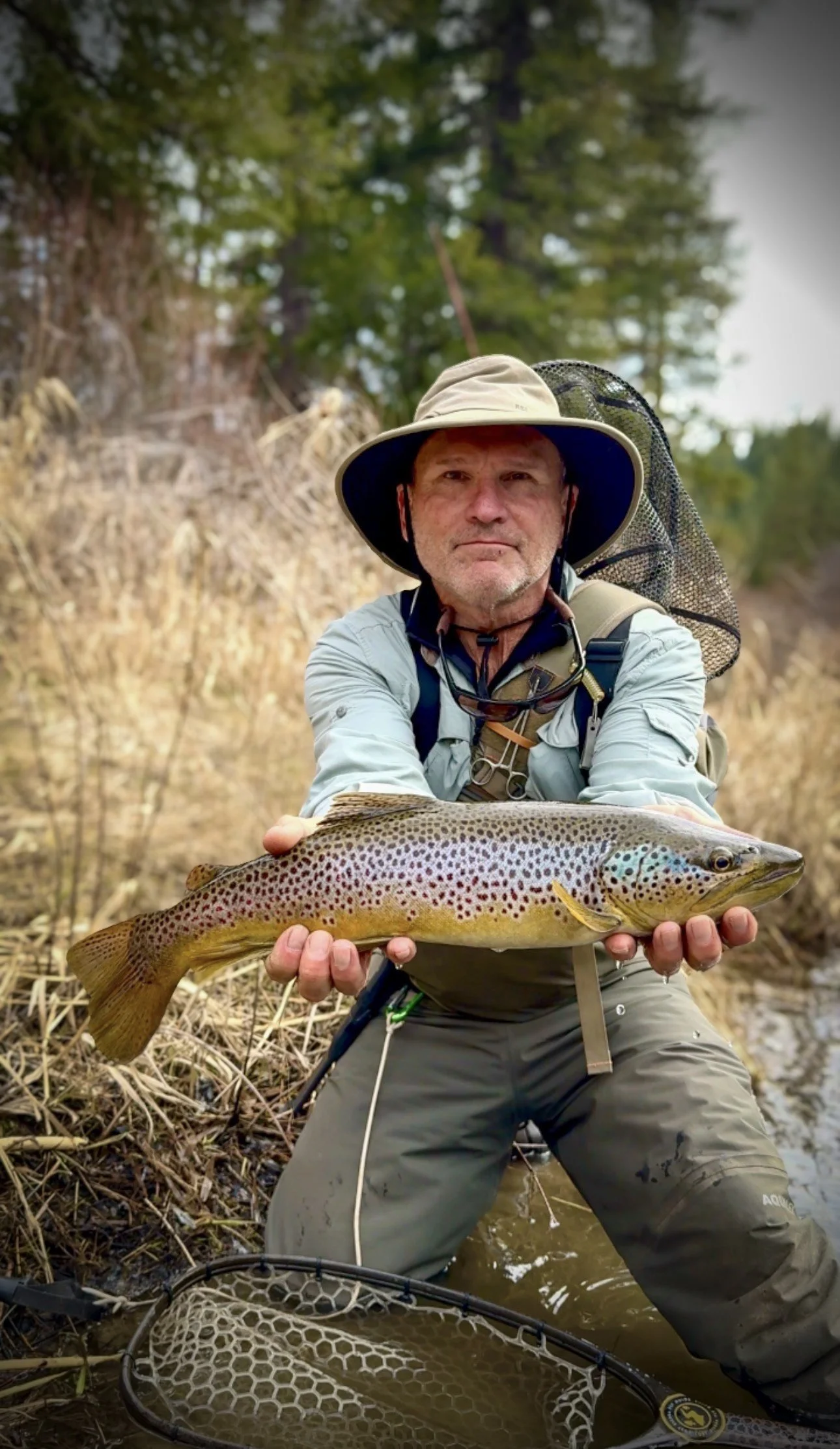
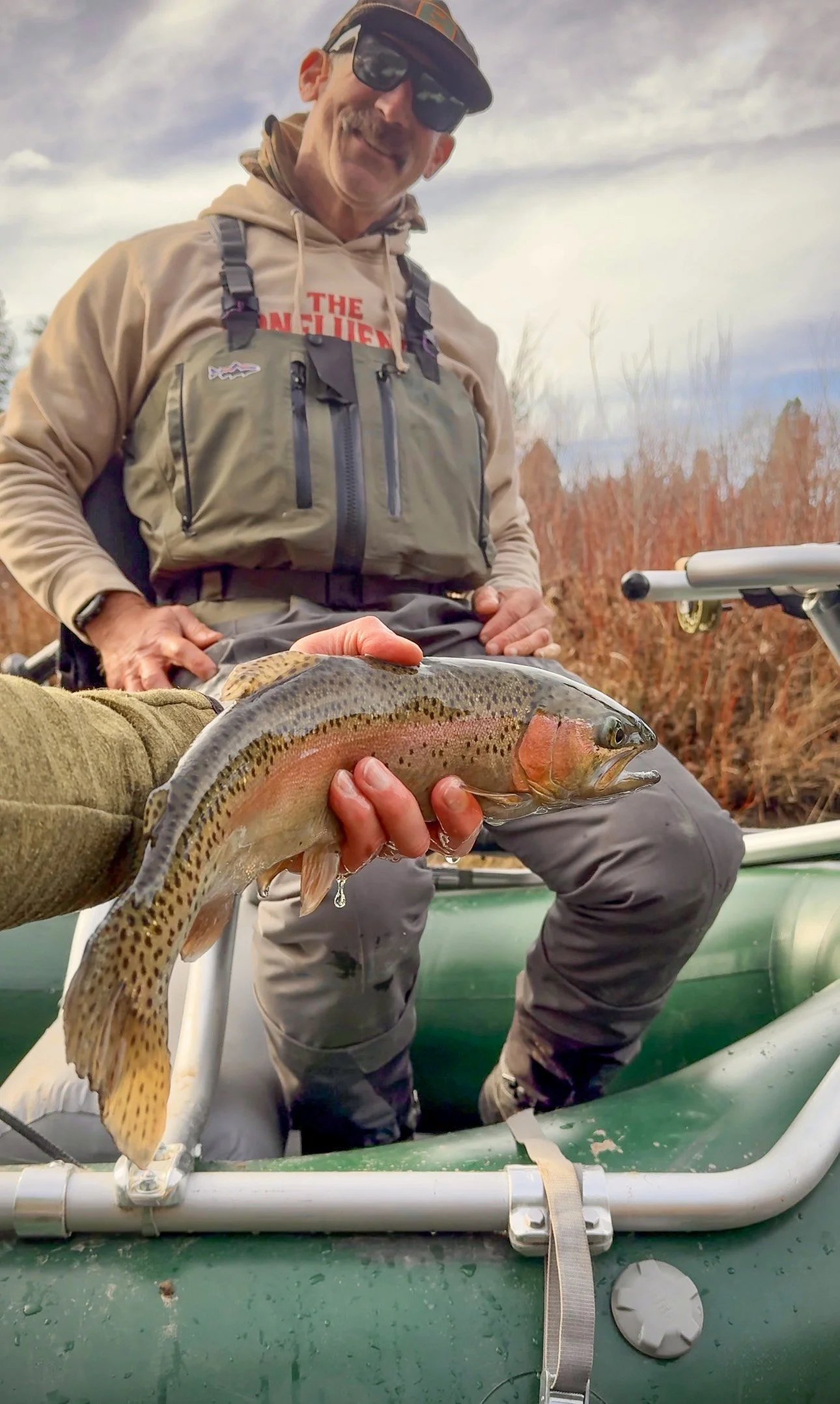
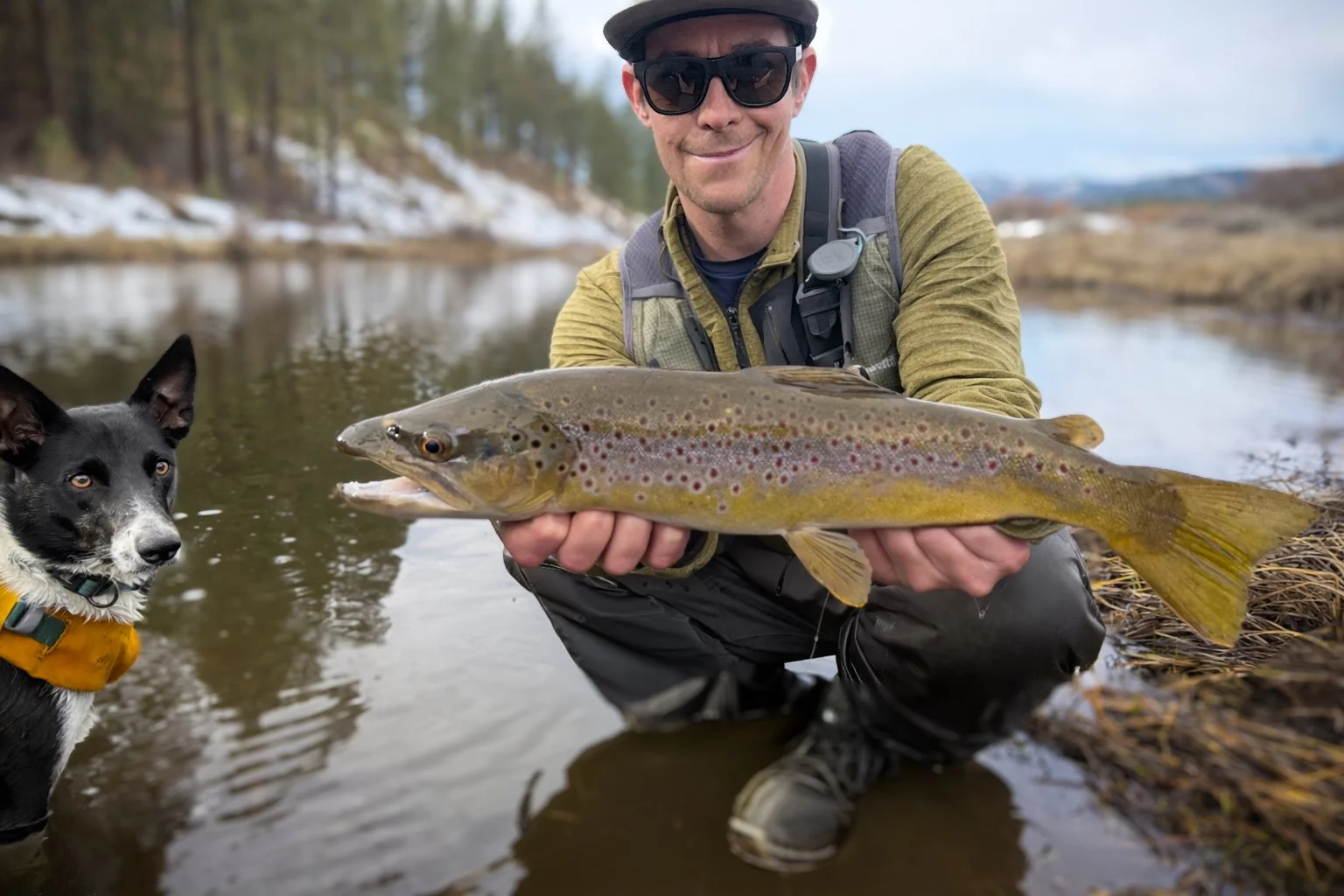
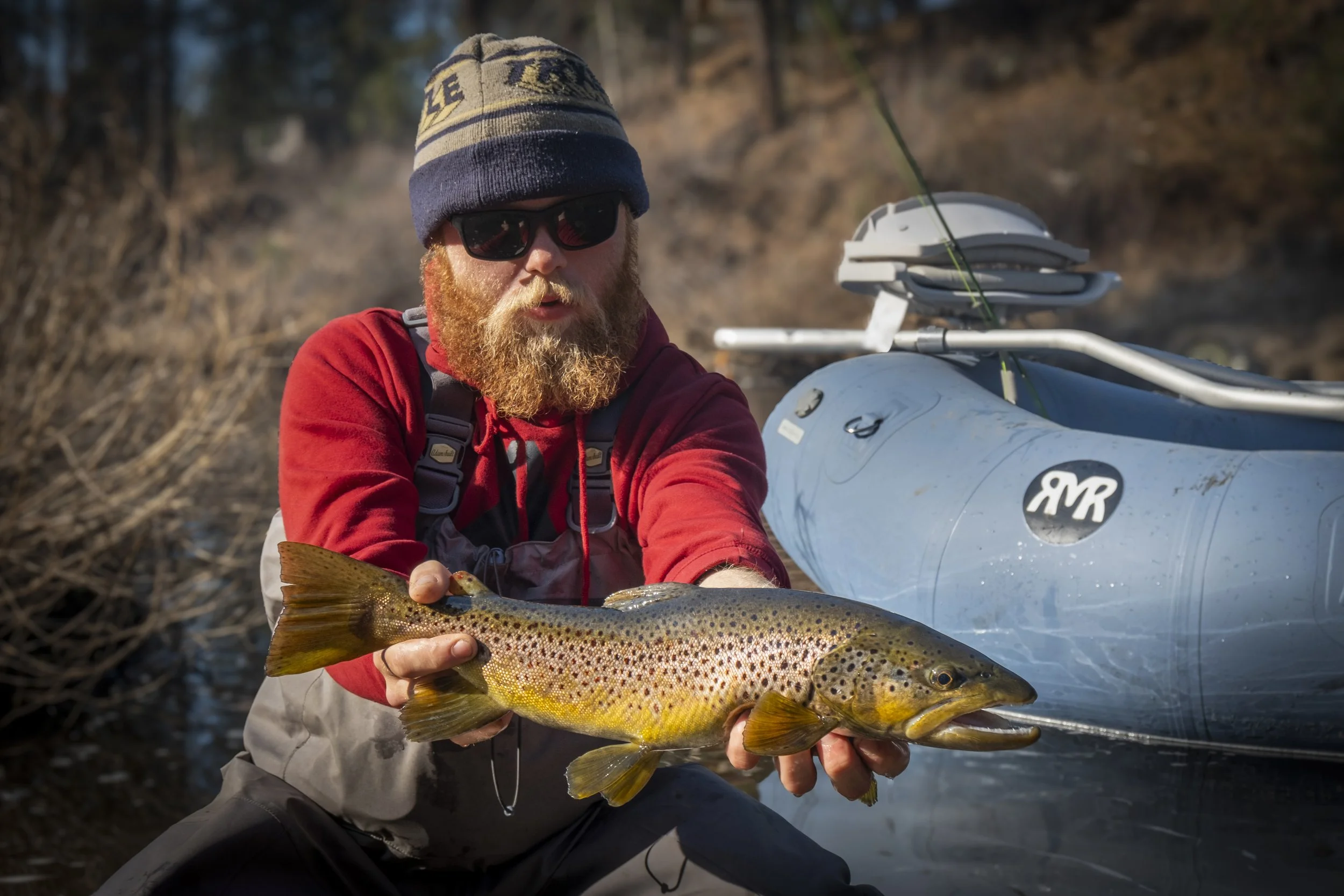
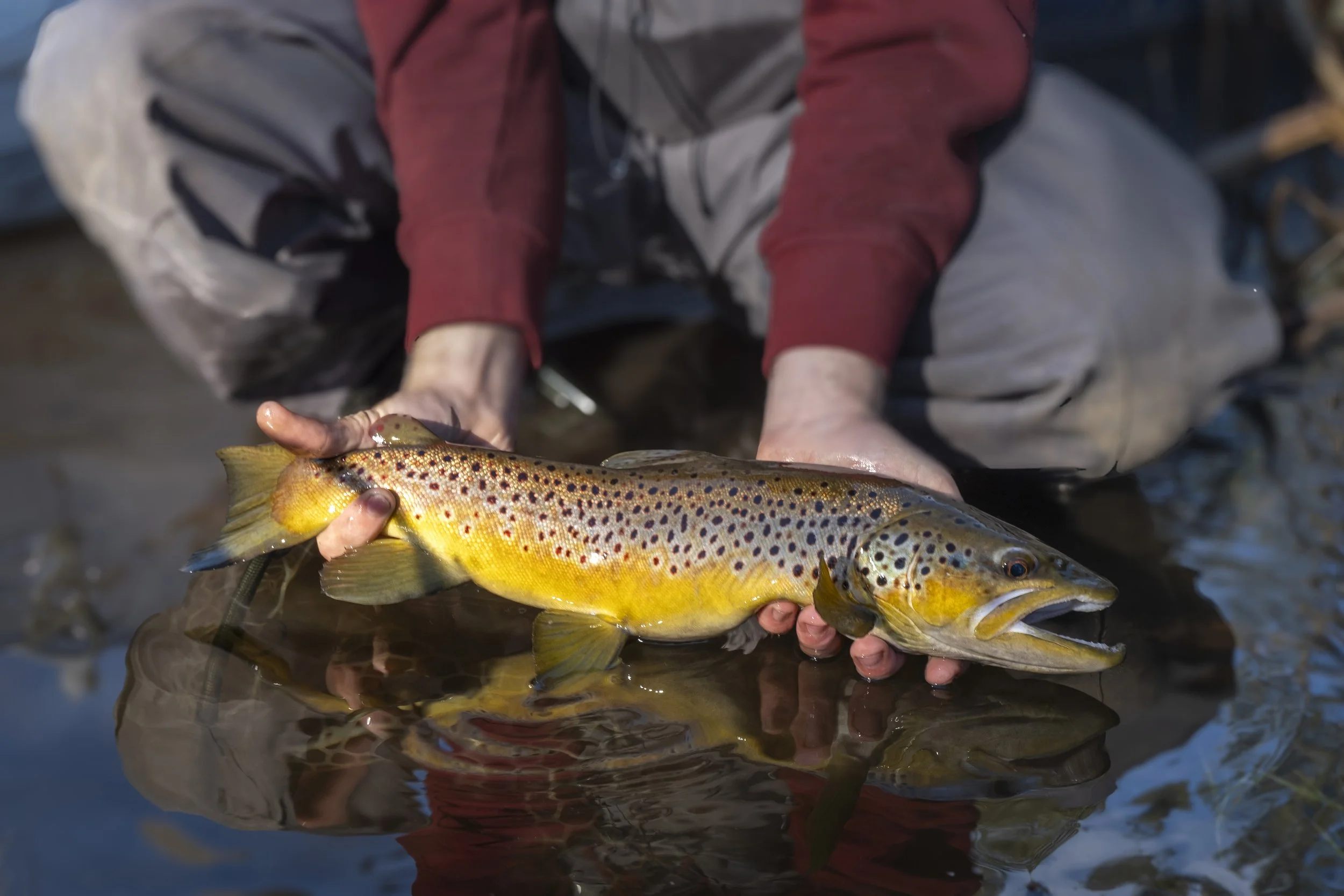
Winter Fly Fishing is when we catch the biggest fish in the rivers and lakes! Time the storms and conditions correctly for the opportunity to connect with one of these elusive wild trophy trout!
Timing the storms - chasing larger fish on the fly!
Storm timing is everything. Barometric pressure changes and rising flows trigger movement, pushing larger trout out of deep holding lies and into feeding lanes. Slightly off-color water gives big fish the confidence to hunt, while increased current dislodges sculpins, crayfish, and immature baitfish. For anglers willing to brave the cold and watch the weather closely, these windows can produce the heaviest fish of the year.
Winter isn’t about numbers—it’s about opportunity. Fewer anglers, predictable holding water, and trout focused on calorie-rich meals create prime conditions for targeting quality over quantity. When you time the storms right and fish with intention, winter becomes trophy season on the fly.
Winter is our favorite time of year to fish for all of the above reasons. Let’s get you out on the water to show you why!
It’s all about covering water, and our oar raft floats cover 3-5 miles of river in a full day. We work hard at it, too. We back row sections, target rising fish, target still-water holding spots, specific runs, and fish it hard!
This winter has delivered some solid storm cycles, and the one we are currently in is by far the strongest. The Northern Sierra just picked up a significant shot of new snow, with snow levels dropping to river elevation around 4,000 feet.
In classic California fashion—feast or famine—we’re now shifting from this slump-busting six-day snowstorm into warmer temps and rain. When you add it all together, it sets the stage for PRIME trophy trout fishing from late February into early March.
If you’re looking for a shot at one of these incredible fish in a Wild and Scenic setting just 45 minutes north of Truckee, let’s make it happen. The rafts are rigged, and my guides and I are fired up to get you on the water. Reach out, and we’ll get you dialed in.
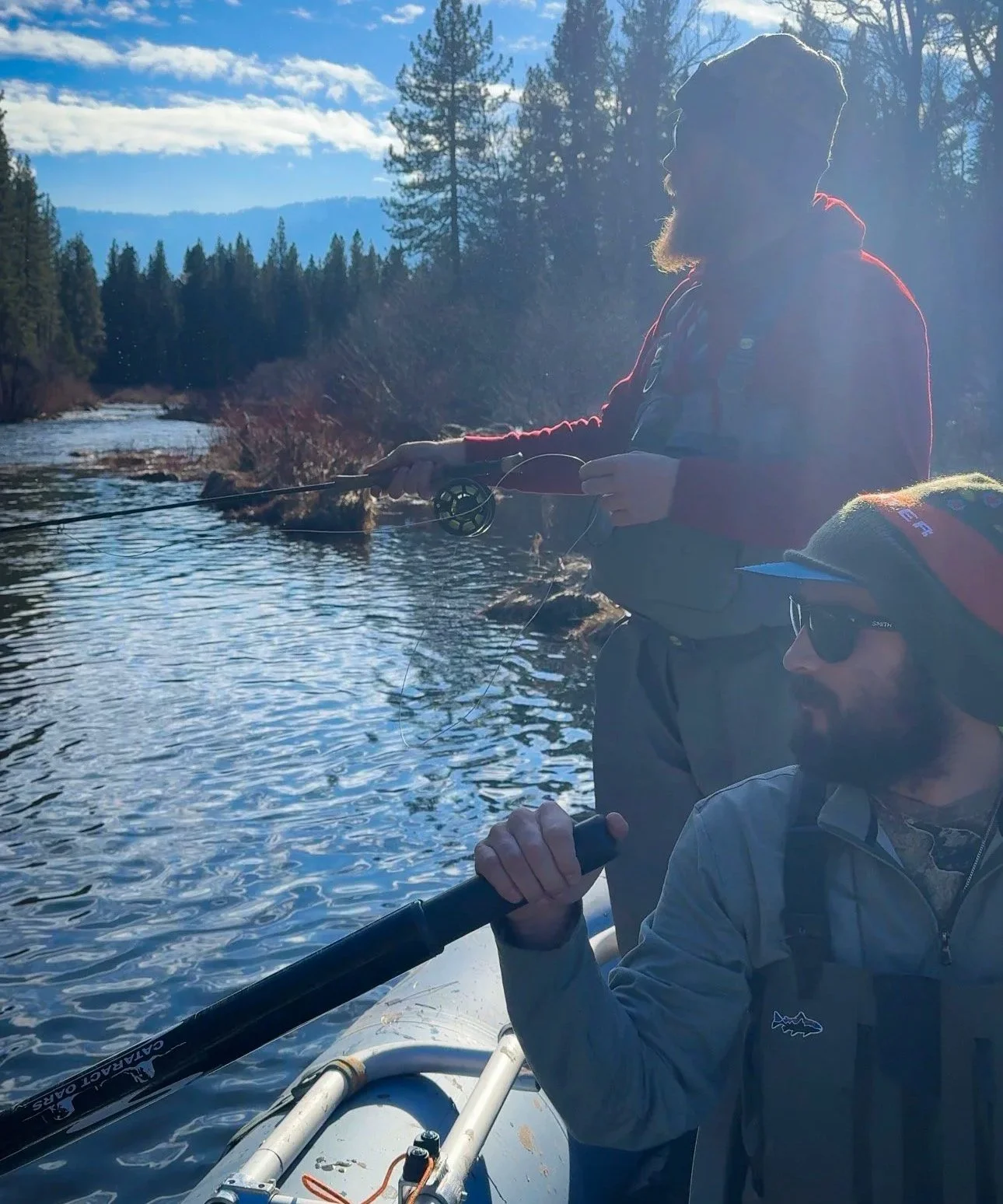
Floating the Wild and Scenic Middle Fork Feather River
During winter, river access in the Northern Sierra is extremely limited. With a full fleet of rafts, guides available seven days a week, and deep local knowledge of winter flows and access points, Lost Sierra Fly Guide leads the way in winter fly fishing throughout the Northern Sierra.
In fact, we were the first people to float the Middle Fork Feather River for fly fishing trips when CDFW changed the winter regulations in 2021!
Why Winter Produces Bigger Trout in the Lost Sierra
Winter fly fishing in the Lost Sierra isn’t about numbers—it’s about quality. Cold months consistently produce some of the largest trout of the year across both rivers and stillwaters, and there are clear biological and environmental reasons why.
Bigger trout thrive in cold water
Cold water favors fish that can conserve energy efficiently. Larger trout lose heat more slowly and don’t need to feed as often, allowing them to survive—and dominate—when conditions get tough. Winter naturally filters out weaker fish, leaving behind older, heavier trout in the best water.
Fewer meals, higher rewards
Winter limits insect activity and reduces feeding windows. Instead of chasing small, frequent meals, trout look for high-calorie opportunities. This is why slow nymphs, balanced leeches, and streamers fished deliberately often attract larger fish willing to move when the timing is right.
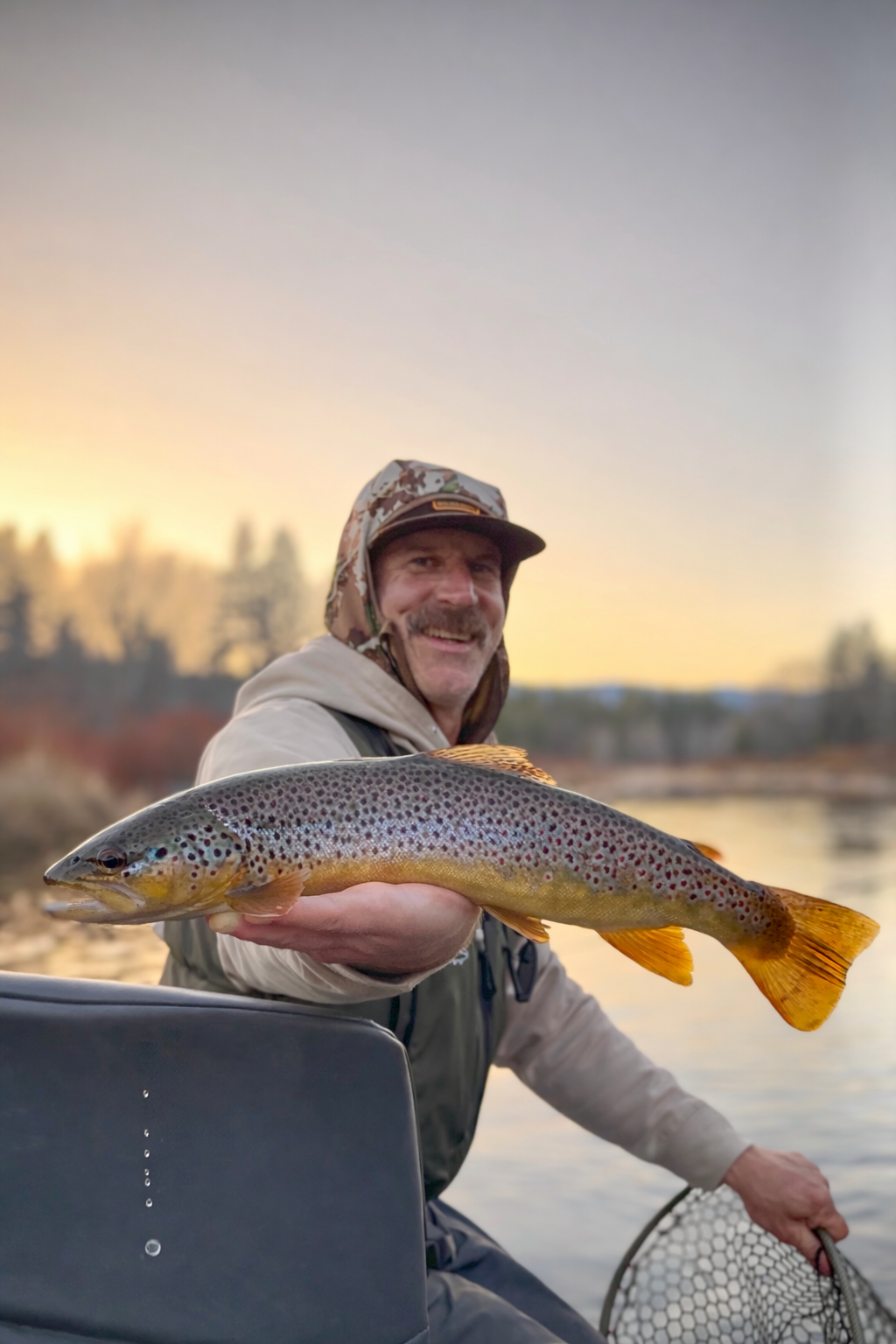
An amazing brown trout on the dry dropper right before the take out!