Winter Fly Fishing in The Northern Sierras
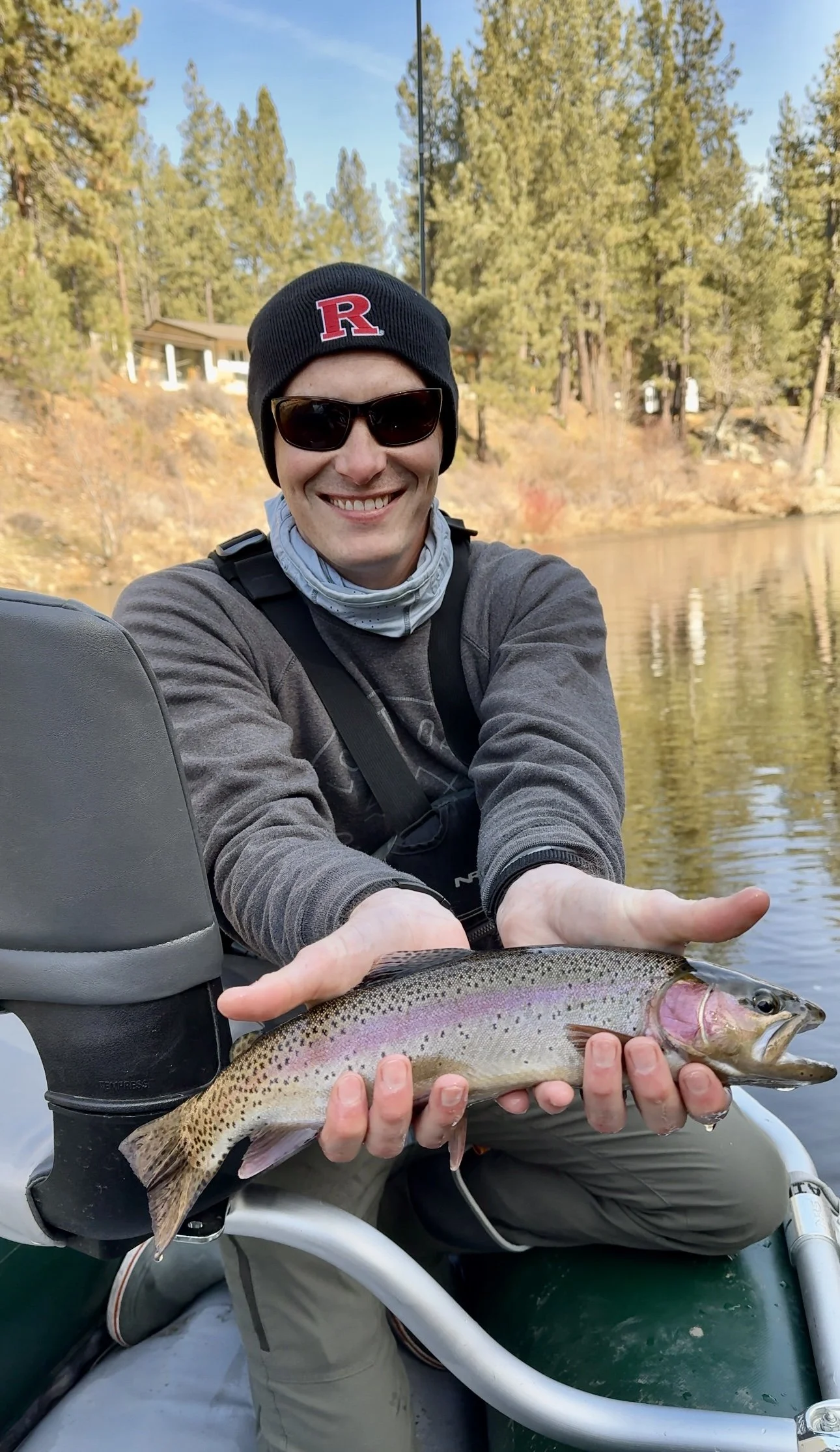
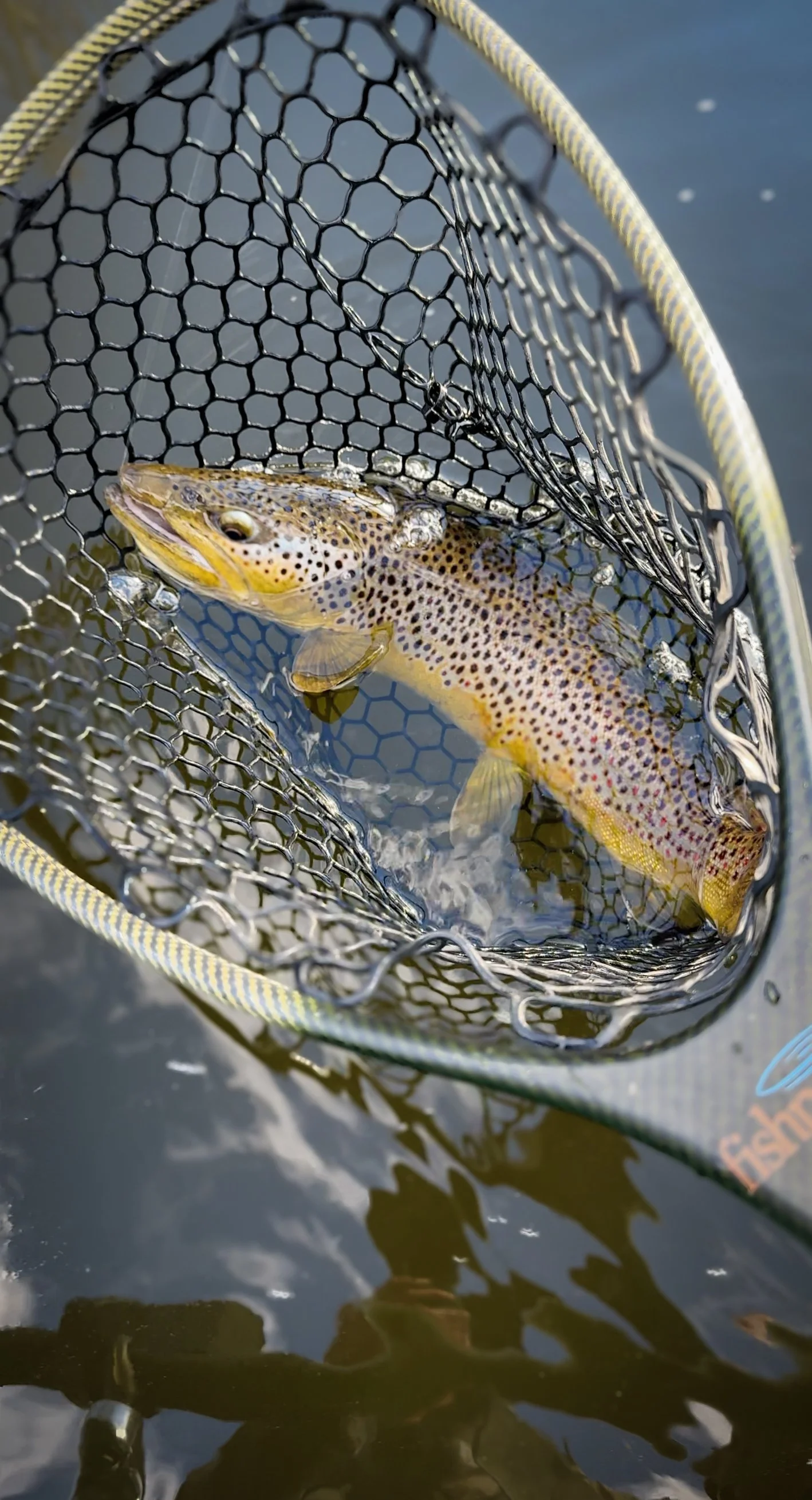
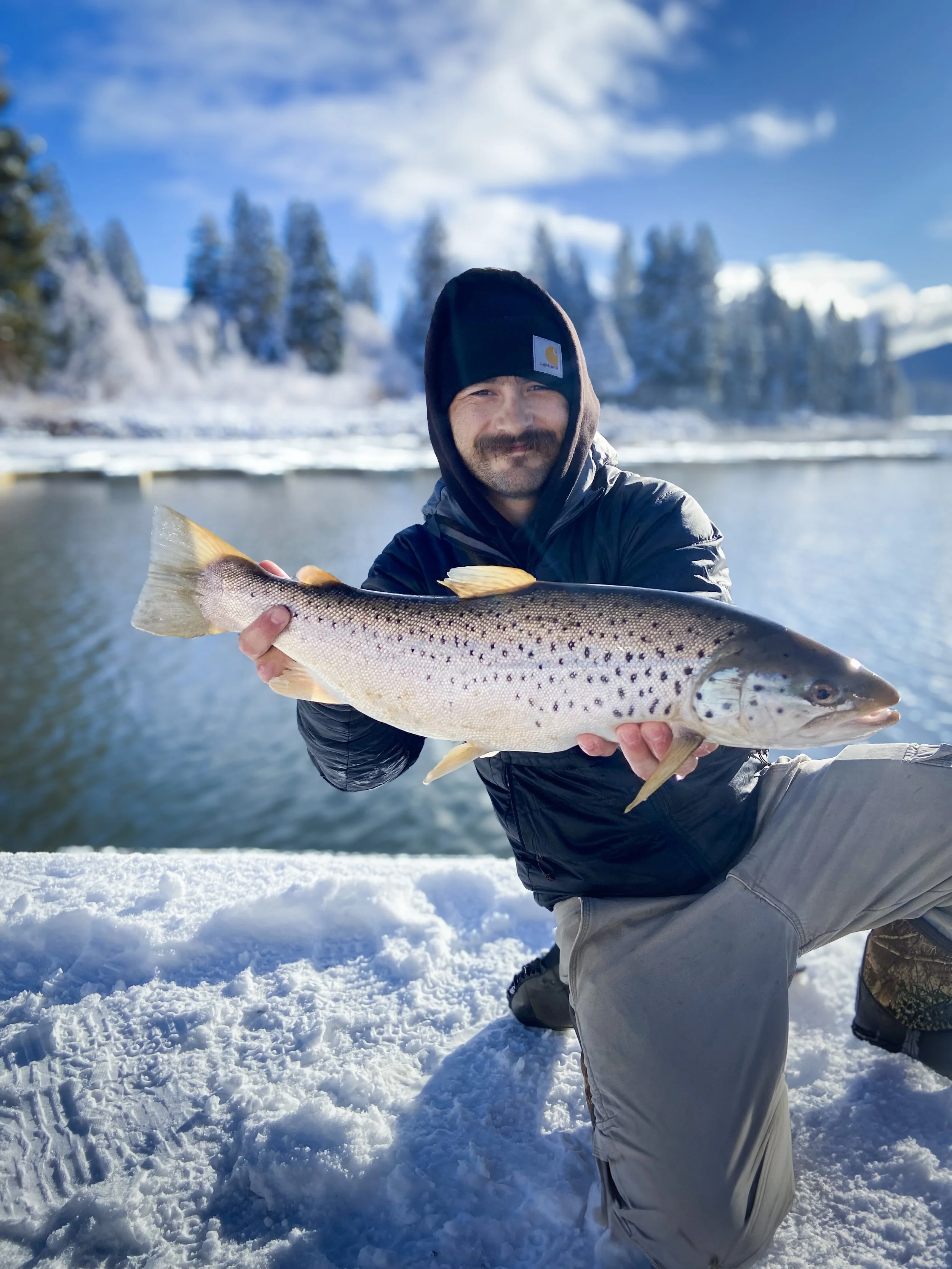
Winter Fly Fishing is when we catch the biggest fish in the rivers and lakes! Time the storms and conditions correctly and hook a wild trophy trout!
Fishing The Winter Months with Lost Sierra Fly Guides
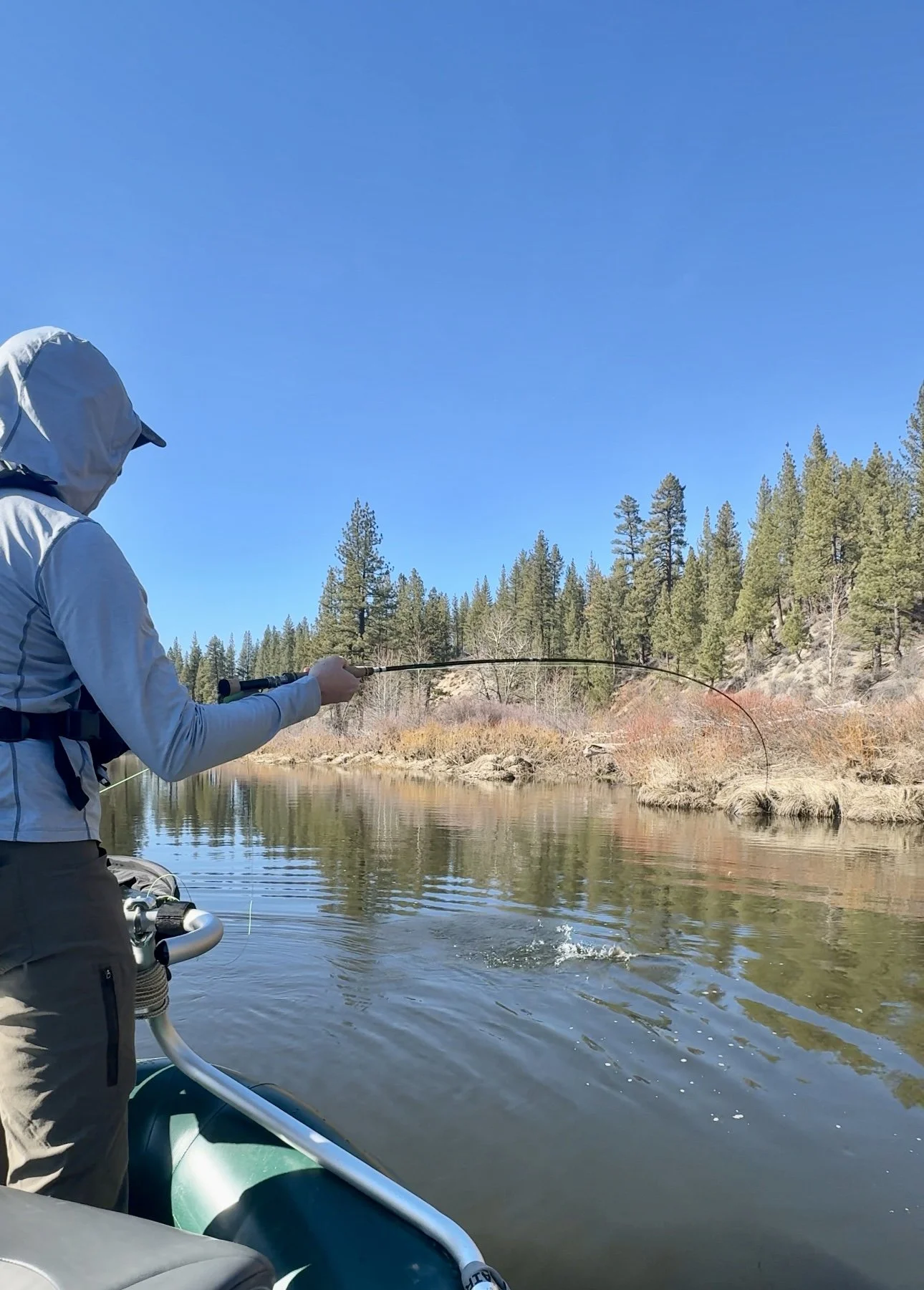
Lost Sierra Fly Guides specializes in year-round trout fishing across Northern Sierra rivers and stillwaters. Winter trips are designed around efficiency—targeting prime holding water, dialing in depth and speed, and focusing on quality over quantity. Whether walk-and-wade rivers or stillwater fisheries, winter often delivers fewer bites—but the fish you do catch are the ones anglers remember.
During winter, river access in the Northern Sierra is extremely limited. With a full fleet of rafts, guides available seven days a week, and deep local knowledge of winter flows and access points, Lost Sierra Fly Guide leads the way in winter fly fishing throughout the Northern Sierra.
In fact, we were the first people floating the Middle Fork Feather River for fly fishing trips when CDFW changed the winter regulations in 2021!
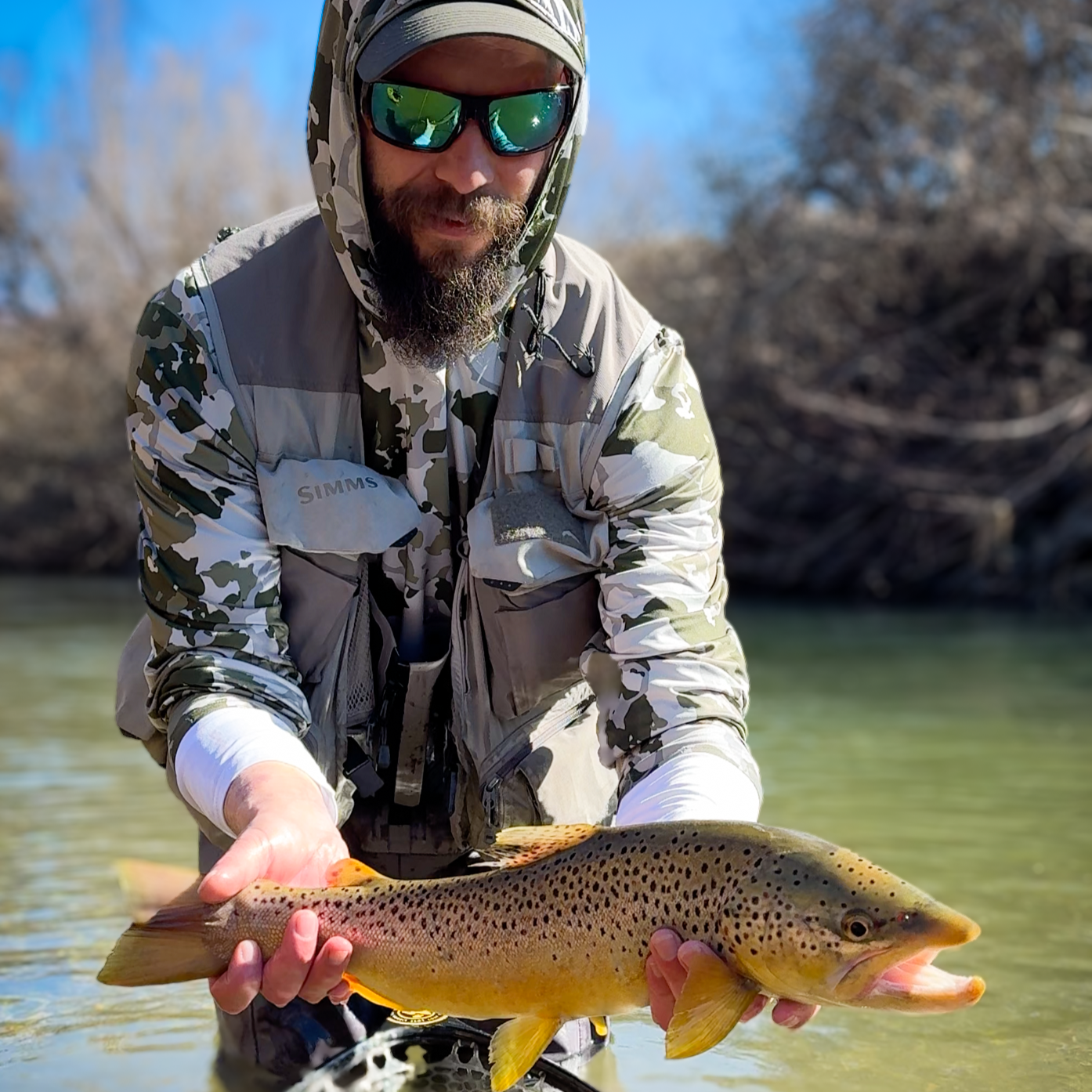
Chasing Brown Trout all Winter Long!
Why Winter Produces Bigger Trout in the Lost Sierra
Winter fly fishing in the Lost Sierra isn’t about numbers—it’s about quality. Cold months consistently produce some of the largest trout of the year across both rivers and stillwaters, and there are clear biological and environmental reasons why.
Bigger trout thrive in cold water
Cold water favors fish that can conserve energy efficiently. Larger trout lose heat more slowly and don’t need to feed as often, allowing them to survive—and dominate—when conditions get tough. Winter naturally filters out weaker fish, leaving behind older, heavier trout in the best water.
Fewer meals, higher rewards
Winter limits insect activity and reduces feeding windows. Instead of chasing small, frequent meals, trout look for high-calorie opportunities. This is why slow nymphs, balanced leeches, and streamers fished deliberately often attract larger fish willing to move when the timing is right.
Trout concentrate in predictable locations
As water temperatures drop, trout stop roaming and settle into specific winter lies. On rivers like the Middle Fork Feather and North Yuba, this means deep pools, soft seams, and slow tailouts where energy expenditure is minimal. In stillwaters such as Lake Davis and Lake Almanor, cooling water pushes food sources into defined depth zones, concentrating large trout along drop-offs, edges, and basin transitions.
Less pressure, less educated fish
Winter sees a fraction of the angling pressure compared to spring and fall. Big trout experience fewer fly changes, fewer presentations, and less stress—making them more likely to commit when conditions align.
Why winter rewards experience
Winter success isn’t accidental. It depends on precise depth control, controlled drifts, and understanding how trout behavior shifts with temperature, flows, and weather windows. When you’re in the right water at the right time, winter can offer the best chance of the year at a truly memorable fish.
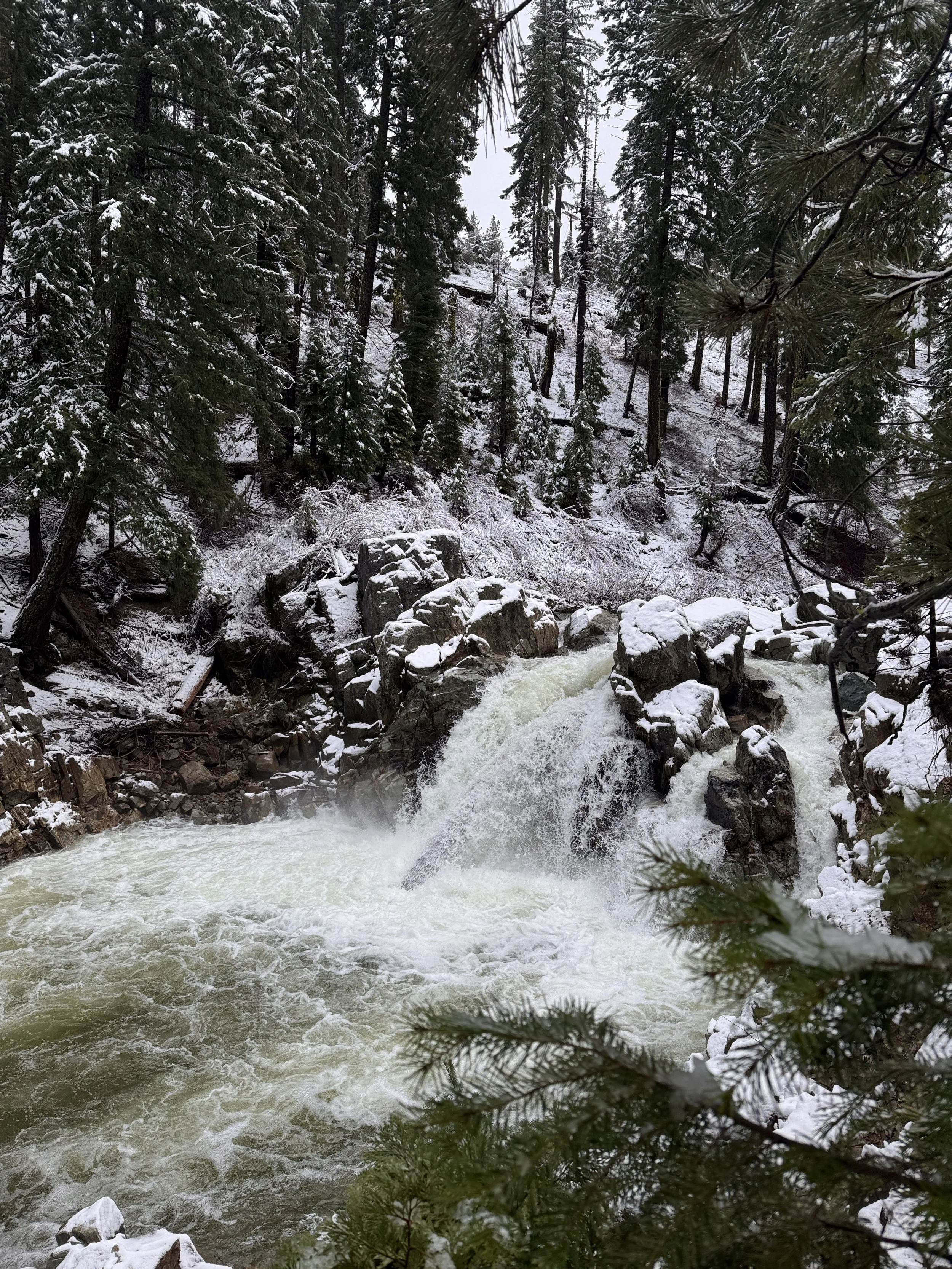
Our Creeks and Tributaries are full and pouring fresh mountain water back into our rivers and lakes!